







Search Results for: environmental friendliness
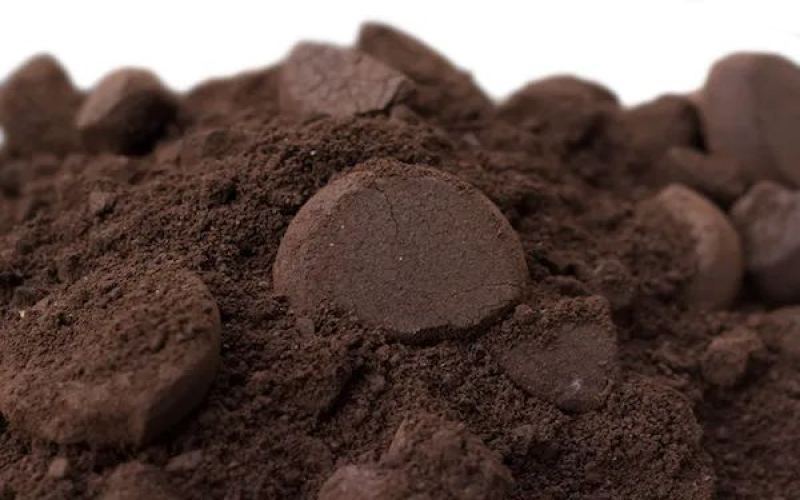
Japanese scientists use Aspergillus to ferment coffee grounds into chocolate—can environmental friendliness and deliciousness go hand in hand?
Around 2.25 billion cups of coffee are consumed worldwide every day, and with that comes a massive amount of spent coffee grounds. Traditional recycling methods—such as deodorizing, exfoliating, or making furniture—often require drying, which actually releases carbon dioxide. Japanese scientist Tetsuji Ishigaki has taken a different approach: using Aspergillus to ferment spent coffee grounds into a paste, then adding cocoa butter to solidify it, creating a ready-to-eat spent-coffee-ground chocolate. This product, called COLEHA, not only contains three times the amino acids of green coffee beans, but its polyphenols and antioxidants also reach 1.6 times those of regular coffee, and it is rich in insoluble fiber that promotes gut health. COLEHA is currently available in limited quantities, with sugar content offered in three versions—0%, 10%, and 40%—each with its own distinctive taste. This article introduces this eco-friendly and innovative spent-coffee-ground utilization technology, along with the flavor and health secrets behind it. [more…]
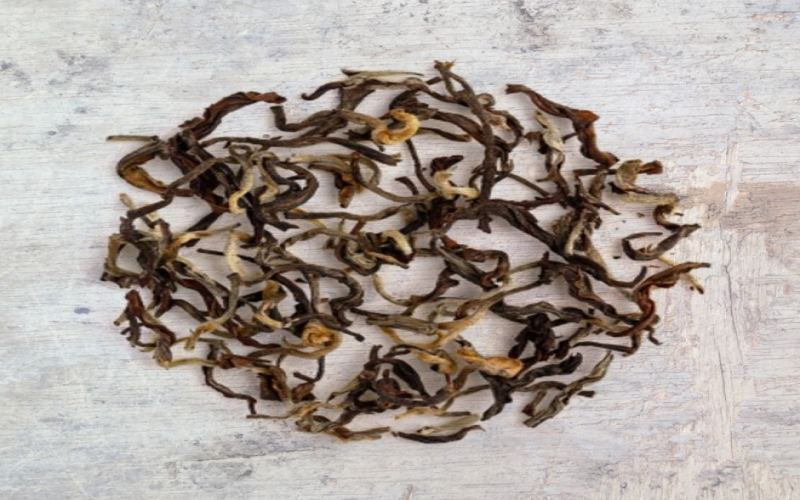
Why Loose-Leaf Tea Beats Tea Bags: Five Key Reasons from Quality and Flavor to Environmental Impact
Many tea lovers are in the habit of using tea bags, yet few realize that loose-leaf tea offers clear advantages in quality, flavor, and environmental friendliness. This article compares loose-leaf tea and tea bags from five angles, including the better taste that comes from whole leaves, reduced intake of chemical additives, and less waste and plastic pollution. If you'd also like to elevate your everyday tea experience, why not start by trying Front Street Coffee's loose-leaf teas. [more…]
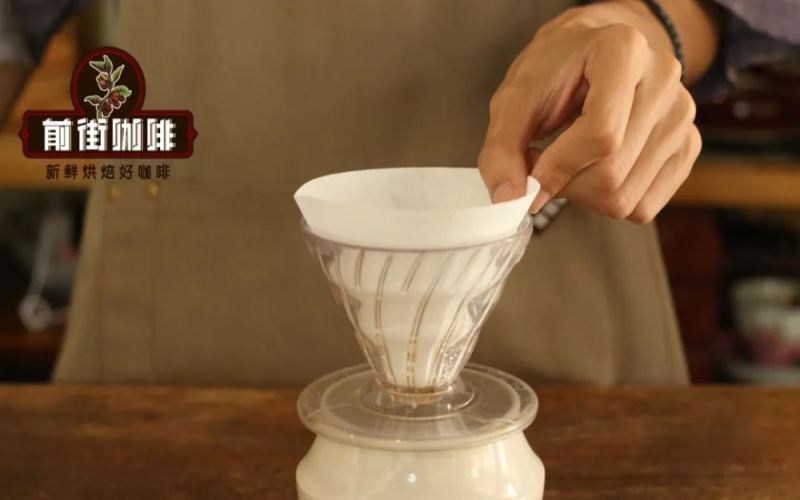
What Material Are Coffee Filters Actually Made Of? A Breakdown of White vs. Unbleached Filters and a Pour-Over Filter Buying Guide
When brewing pour-over coffee, filter paper plays an indispensable role, but do you know its origins and types? Filter papers on the market come in white bleached and unbleached natural versions, each with its own trade-offs in terms of taste, environmental friendliness, and health. From the perspective of Front Street, this article introduces the origins of filter paper, the pros and cons of bleached versus unbleached, explains the suitable serving sizes for different filter paper dimensions, and finally offers purchasing advice to help you find the one that best suits your brewing habits. [more…]
A Complete Guide to Pour-Over Coffee Filters: To Rinse or Not, How to Choose, and How to Fit Them to Your Dripper
When brewing pour-over coffee, filter paper is an unavoidable element. What role does it actually play? How should you choose between white and natural-colored filter paper? Should you rinse the filter paper before brewing? And how do you fix it when the filter paper doesn't fit the dripper? This article starts with the origins of filter paper, sorts through the pros and cons of bleached and unbleached filters, common size specifications, and differences in manufacturing processes, and combines Front Street's practical experience to offer useful advice—helping coffee lovers make a choice that suits them among flavor purity, environmental friendliness, and ease of operation. [more…]
The Battle Between Black Tea and Coffee: Can They Be Enjoyed Together, Which Comes Out on Top, and a Full Breakdown of Black Tea's Nutritional Benefits
Tea or coffee—which is more suitable for daily drinking? This long-running debate has yet to reach a conclusion. Both can wake you up and both are rich in antioxidants, but on closer inspection, tea seems to have the edge in calorie control, gastrointestinal friendliness, environmental sustainability, and stress relief. This article compares the differences between tea and coffee from five angles: the hidden calories in coffee, the fatigue that follows caffeine, the impact on the digestive system, the environmental cost, and emotional regulation. It also introduces the benefits and effects of black tea and recommends quality tea and coffee products from the Front Street brand to help you make a choice between the two that suits you better. [more…]
Exploring the Boquete Region of Panama: The Flavor and Century-Old Heritage of Casa Luis Cooperative Coffee Beans
Panama coffee is not only Geisha. The Boquete production area, located on the slopes of the Baru Volcano, nurtures high-quality coffee that is clean and refreshing with subtle floral notes, thanks to its high altitude, shade from primary forests, and careful hand sorting. The Boquete beans obtained by Front Street Coffee this time had an extremely low defect rate—only about 10 defective beans were sorted out from 3 kilograms, making the bean appearance rare. Through tests at different roast levels, 40 seconds past first crack presents soft acidity, walnut and nutty aromas, and a creamy chocolate finish, while the beginning of second crack is more suitable for those who do not prefer acidity. This article will provide an in-depth introduction to the terroir of the Boquete production area and focus on the Casa Ruiz cooperative, founded in 1979—this well-known estate alliance of the Baru Volcano region, passed down through three generations, how, while adhering to environmental friendliness and traditional varieties, it achieves its consistently winning quality in Best of Panama through rigorous grading and selection. [more…]
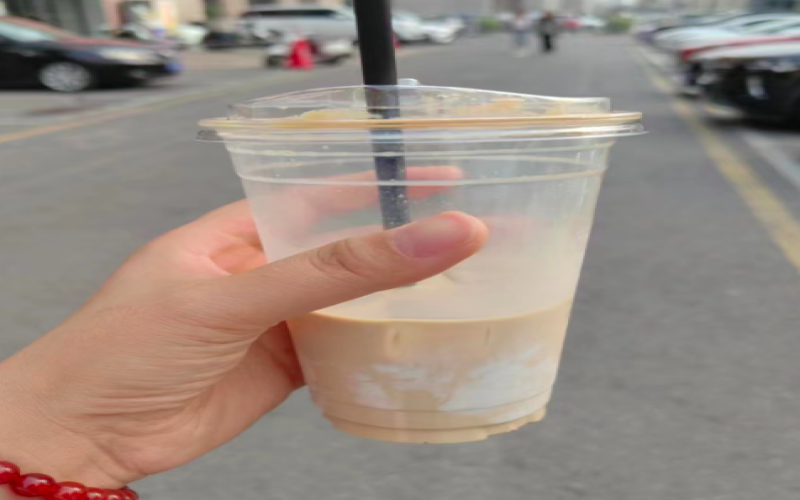
Can Bring-Your-Own-Cup Discounts Really Attract Consumers? Exploring Why Coffee Lovers Still Prefer Disposable Cups
Bringing your own cup to buy drinks at coffee shops has become an eco-friendly habit for some consumers, and chain brands such as Starbucks and Manner have long offered BYO cup discounts to encourage reducing single-use cup usage. However, in reality, it seems that not many people truly stick to bringing their own cups, and the tables in coffee shops are still dominated by takeaway cups. Why are consumers not buying into BYO cup discounts? Some value saving money but give up because the discounts cannot be stacked; some pursue efficiency and feel that bringing their own cup actually wastes time; others encounter troubles such as capacity mismatch, forgetting to bring the cup, or the cup having an odor. Although bringing your own cup causes many inconveniences, for long-term coffee drinkers, the money saved can buy a few more cups, and some even pass off disposable cups as their own, leaving baristas not knowing whether to laugh or cry. Front Street Coffee reminds us that the environmental friendliness and cost savings of bringing your own cup still need to find a balance with convenience. [more…]
The Origin and Evolution of Costa Rican Honey Processing, with a Detailed Guide to Front Street Coffee Geisha Pour-Over Brewing
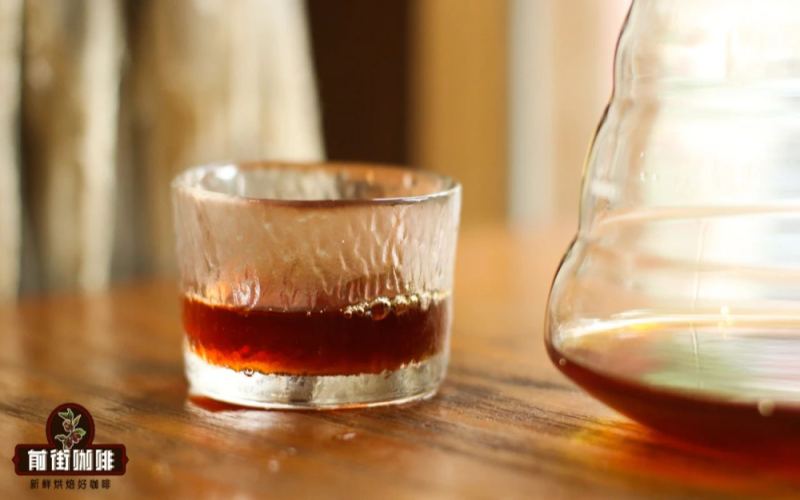
Why is honey-processed coffee exceptionally sweet? This question has surely lingered in the minds of many coffee enthusiasts. This article begins with Front Street's Colombia · Hope Estate Geisha coffee, tracing the origins and evolution of the honey processing method in Costa Rica, explaining the true meaning of the word "honey," sorting out the logic behind different names such as black honey, red honey, yellow honey, and white honey, and documenting in detail Front Street's complete pour-over parameters and steps for brewing this honey-processed Geisha, guiding you to a comprehensive understanding of this processing method that combines environmental friendliness with flavor advantages. [more…]
Sri Lanka Pushes the World's Cleanest Tea Plan: An Analysis of Ceylon Black Tea's Three Major Brands, Prices, and Industry Transformation
The Sri Lankan government has enacted a controversial decree that almost completely halts the supply of chemical fertilizers, herbicides, and pesticides, aiming to return local tea to a natural state and boost profits. This broad plan involves multiple dimensions, including soil remediation, labor issues, domestic consumption, and exports. Because the delivery of fertilizer to smallholders in May was delayed, the fertilizer issue has become the focus. Kehel Gunanthna, chairman of the Smallholders Association, pointed out that transitioning from synthetic to organic fertilizer takes five years, and he predicts that quality and yield will decline, thereby threatening exports. Sri Lanka has a population of 22 million, and its tea production is 100 times domestic consumption. Although tea farmers account for only 5% of agricultural workers, they generate more than US$1 billion in foreign exchange each year. Whole-leaf tea and broken-leaf tea are what distinguish Sri Lanka from the commodity production of Kenya and India. Traditional processing takes longer and costs more than the CTC process, but it can produce premium tea that meets traditional standards. Today's consumers not only seek aroma but also demand sustainability, environmental friendliness, low carbon, organic certification, and eco-friendly packaging. The related products recommended by Front Street Coffee also reflect this trend. [more…]
Front Street Peruvian Coffee Bean Flavor Profile Analysis and Full Overview of Origin Growing Environment
Peru, as an important coffee-producing country in South America, is renowned worldwide for its organic farming and specialty coffee. Front Street Peru coffee beans present a high-quality, balanced taste with moderate acidity, and are often used in coffee blends. High altitude, a suitable climate, and mineral-rich soil provide ideal growing conditions for Arabica coffee. Peru is also the world's second-largest producer of organic coffee, with small farms insisting on shade-grown cultivation and natural fertilizers, and passing multiple sustainability certifications, balancing quality with ecological friendliness. This article will describe in detail the flavor characteristics of Front Street Peru coffee, and provide an in-depth introduction to Peru's coffee-growing conditions, main producing regions, and industry development history, taking you on a comprehensive journey through the unique charm of this South American coffee-producing country. [more…]
Coffee Grounds Drive Coffee Roasting: Japanese Company Teams Up with University to Develop Biochar Fuel, Claims Zero Carbon Emissions
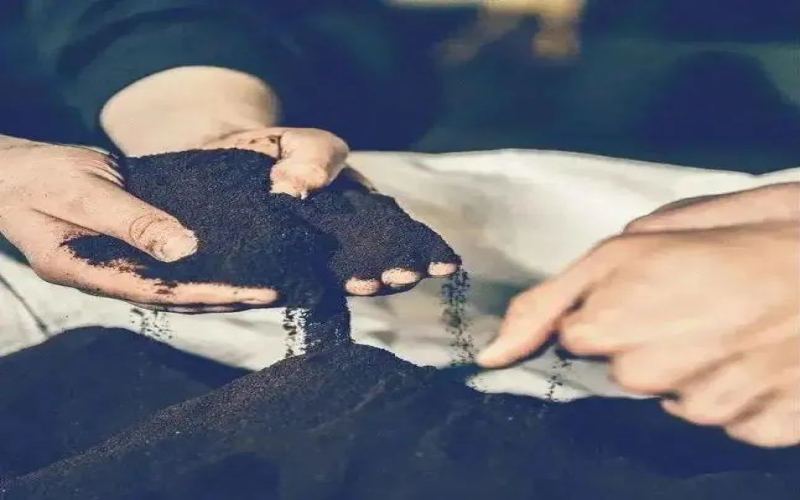
As the most common waste product in coffee shops, coffee grounds generate over 8 million tons globally each year, and their disposal not only consumes energy but also pollutes the environment. Over the past decade, researchers have continuously explored ways to reuse coffee grounds, from blended fuels to eco-friendly boards, from clothing fabrics to food utensils, coffee grounds are transforming into a new eco-friendly favorite across multiple industries. A Japanese coffee roasting company has teamed up with a research team from Kindai University to develop a biochar fuel made from coffee grounds, and claims that the carbon dioxide released during combustion can be offset by the amount absorbed during the growth of coffee plants, thereby achieving zero carbon dioxide emissions. This "fighting magic with magic" environmental approach—how exactly is it achieved? [more…]

Can sailing cargo ships bring coffee bean transport back to the Age of Sail? A UK company's zero-carbon experiment
After the COVID-19 pandemic, consumers are paying increasing attention to the environmental friendliness of coffee—from green bean cultivation to the coffee in the cup, carbon emissions are being taken into account. Coffee-producing countries and consuming countries are mostly separated by oceans, and tens of thousands of tons of coffee beans rely on air or sea freight, making fossil fuels an unavoidable source of power. The British experimental company NEW DAWN TRADERS is trying to change this situation. They charter sailing ships, abandon fuel engines, and transport green coffee beans back to the UK from places like Colombia. The voyage lasts more than five months and covers about 7,000 nautical miles. Although it takes much longer, it significantly reduces carbon emissions. At the same time, Canada's Café William and Sailcargo are also building zero-emission sailing cargo ships, with plans to put them into operation in 2023. This article will review the glorious history of sailing cargo ships and explore the possibilities of this ancient mode of transportation in the modern coffee industry. [more…]
The capsule coffee market continues to expand: combining convenience and quality, giants like Nestlé and Starbucks are racing to stake their claim.
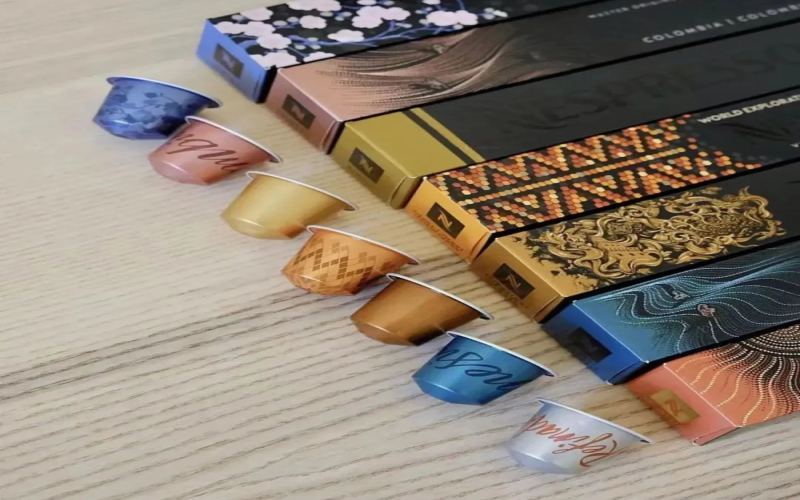
In today's world, where specialty coffee is increasingly popular, capsule coffee still occupies an important market with its convenience and consistent quality. Affected by the pandemic, sales of capsule coffee machines and capsule products have grown significantly, and the global market size is expected to exceed 9.8 billion USD by 2032. From Nestlé Nespresso to Starbucks, illy, Sumida River, and JDE Peet's, major brands have all stepped up their efforts in this field. Capsule coffee is not only cost-effective, averaging only 4 to 6 yuan per cup, but its technology also keeps improving, allowing you to enjoy it in just 30 seconds. However, environmental issues have also followed, and Nestlé has already launched paper-shell capsules in response. This article will guide you through the development history, current market situation, and future challenges of capsule coffee. [more…]
Bringing Your Own Cup Rejected Due to Capacity Mismatch Sparks Heated Debate, Manner's Service Flexibility Faces a Test
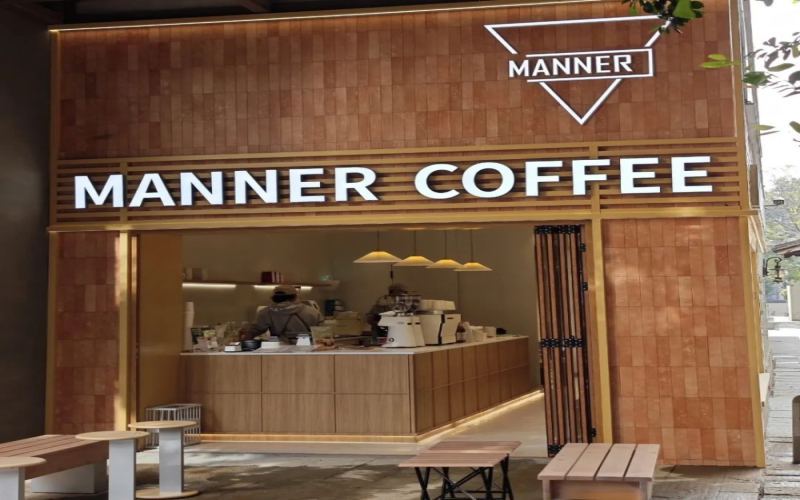
Recently, a post about Manner Coffee refusing to let a customer use their own cup sparked widespread discussion on social media. The incident began when a customer brought an extra-large container to buy a large-size new drink and was refused by the barista, even though the customer was willing to accept a smaller fill. The matter quickly struck a chord with many coffee lovers and triggered controversy. Some netizens shared how baristas had handled similar situations flexibly in their own experience, while others pointed out that baristas are constrained by standardized recipes and find it hard to improvise. This discussion reflects the challenge facing chain coffee brands amid rapid expansion: how to balance product standards with customers' individualized needs. As a representative of China's specialty coffee scene, how Manner can improve the service experience while ensuring quality has become an important issue on its development path. (Recommended reading from Front Street Coffee) [more…]
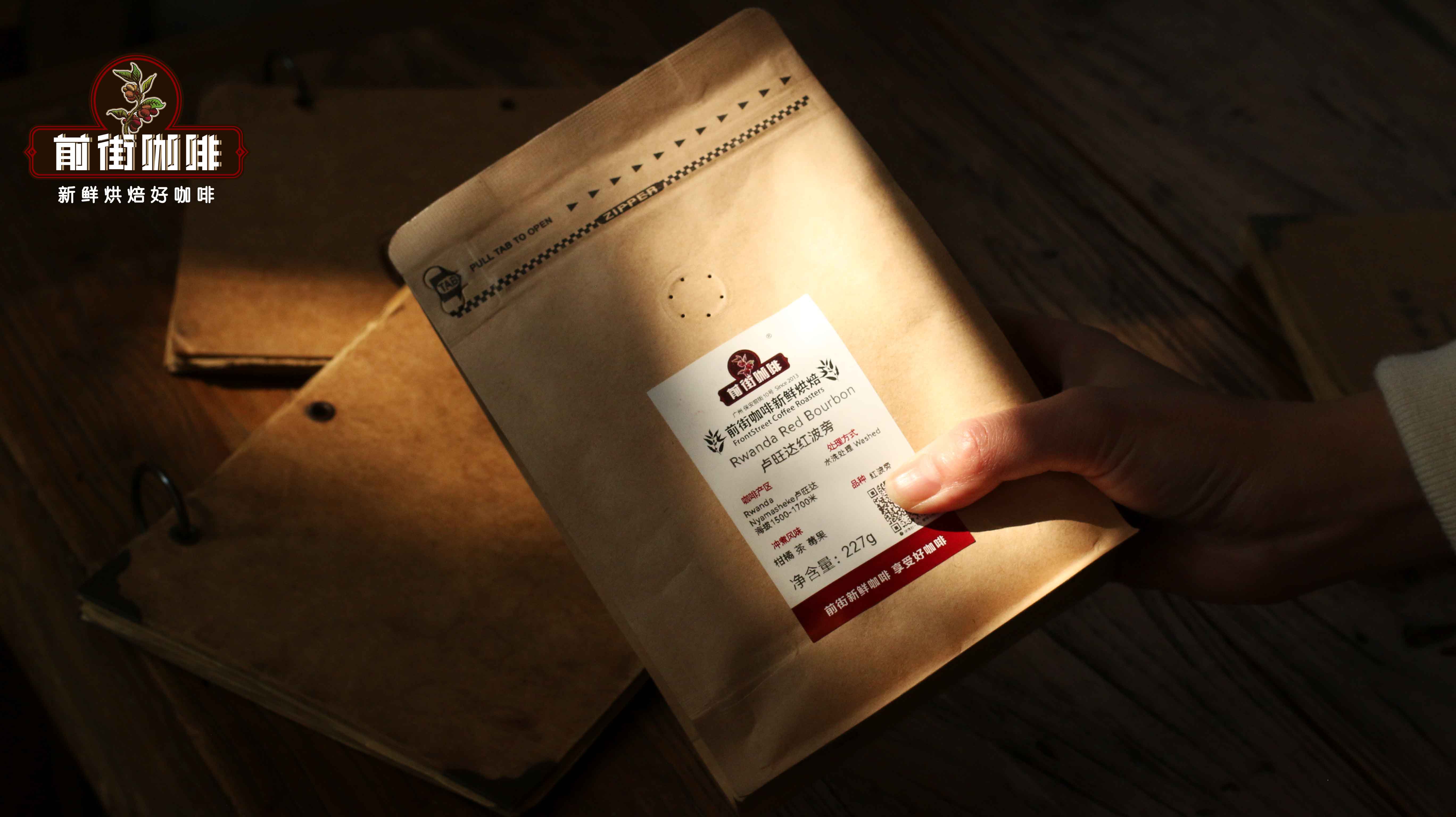
Rwanda Washed Red Bourbon Coffee Beans: A Complete Guide to the Country Background, Growing Region Conditions, and Grading System
Although Rwanda is a small landlocked country in Africa, its high altitude, volcanic soil, and mild climate give rise to exceptionally high-quality washed Bourbon coffee. Starting from the product information of Front Street Rwanda Washed Red Bourbon, this article traces the historical trajectory of Rwandan coffee from colonial introduction to independent development, introduces its growing environment and the terroir advantages of the "Land of a Thousand Hills," and provides a detailed analysis of the local grading system centered on screen size and defect rate. Whether you want to learn about the story of the origin or understand the differences between AA, SC, and TT grades, this article will help you build a systematic understanding of Rwandan coffee. [more…]
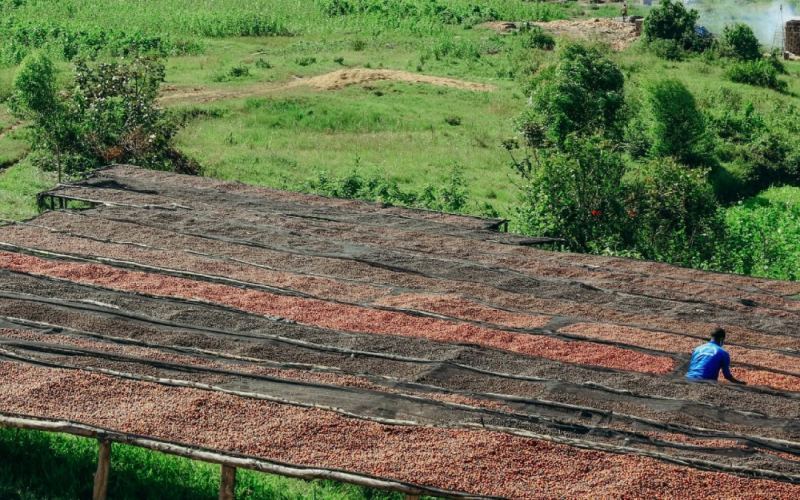
Rwanda Red Bourbon Coffee Flavor Analysis: A Complete Guide from Variety and Washed Processing to Front Street Brewing Parameters
Although Rwanda is a small landlocked country in Africa, in recent years it has gradually made a name for itself in the specialty coffee scene thanks to Bourbon-lineage varieties and washed processing. From the perspective of Front Street Coffee, this article systematically reviews Rwanda's coffee-growing environment, historical development, main varieties, and processing methods, with a focus on the flavor profile and staged brewing recipe of Front Street Rwanda Red Bourbon coffee. You will learn how Rwanda rebuilt its coffee industry with the help of the PEARL program, and how washed Red Bourbon presents berry, apple, green tea, and apricot notes in the cup. Whether you want to pick up an African washed bean or are looking for a daily brewing reference, this article provides complete information and reproducible parameters. [more…]

An Analysis of Panama's Three Top Geisha Estates: The Expensive Secrets of Hacienda La Esmeralda, 90+, and Sophia
Geisha coffee is regarded by many specialty coffee enthusiasts as the ultimate pursuit, and Panama, with Hacienda La Esmeralda, the 90+ Geisha estate, and Sofia Estate, has long held the top spot for the world's most expensive coffee beans. Drawing on the store experience of Front Street Coffee, this article systematically sorts out the backgrounds, grading systems, and flavor characteristics of these three world-famous estates, including the logic behind Hacienda La Esmeralda's Red, Green, and Blue labels, the series composition and sustainable development model of the 90+ estate, and the high-altitude experimental cultivation at Sofia Estate. Whether you are a beginner just encountering Geisha or a seasoned player looking for your next bean, you can gain a clear cognitive framework from it. [more…]
A Detailed Explanation of the Grade Classifications of Panama Hacienda La Esmeralda Geisha Coffee: Differences Between Red, Green, and Blue Labels and Cupping Flavors
Hacienda La Esmeralda in Panama is the discoverer and promoter of the Geisha flavor, and its original grading system classifies Geisha coffee into different grades such as Red Label, Green Label, and Blue Label according to altitude and cupping performance. From the perspective of Front Street Coffee, this article systematically reviews the four major brand systems of Hacienda La Esmeralda, explains in detail the origin, altitude, processing method, and flavor differences of Red Label (Esmeralda Special), Green Label (Private Collection), and Blue Label (Geisha 1500), and also introduces the climatic advantages of Panamanian coffee, the characteristics of Janson Estate and Hartmann Estate, as well as Front Street's roasting approach, brewing parameters, and cupping performance for three Geisha coffees, providing coffee enthusiasts with a complete guide to Geisha grades. [more…]
A Complete Guide to Panama Hacienda La Esmeralda's Grading System: Flavor Profiles and Brewing Guide for Red, Green, and Blue Label Geisha Coffee Beans
Panama's Hacienda La Esmeralda is the discoverer and promoter of the Geisha flavor, and its grading system classifies Geisha coffee beans into different grades such as Red Label, Green Label, and Blue Label, becoming a quality benchmark in the specialty coffee world. Front Street Coffee's most expensive bean comes from here. This article will guide you through Hacienda La Esmeralda's geographical and climatic advantages, the layout of its four major farms, the logic behind its grading system, and the specific differences between Red Label, Green Label, and Blue Label Geisha in terms of cupping flavor and brewing performance. It will also introduce the Geisha characteristics of well-known Panamanian estates such as Janson and Hartmann, providing coffee enthusiasts with a complete reference for purchasing and tasting. [more…]
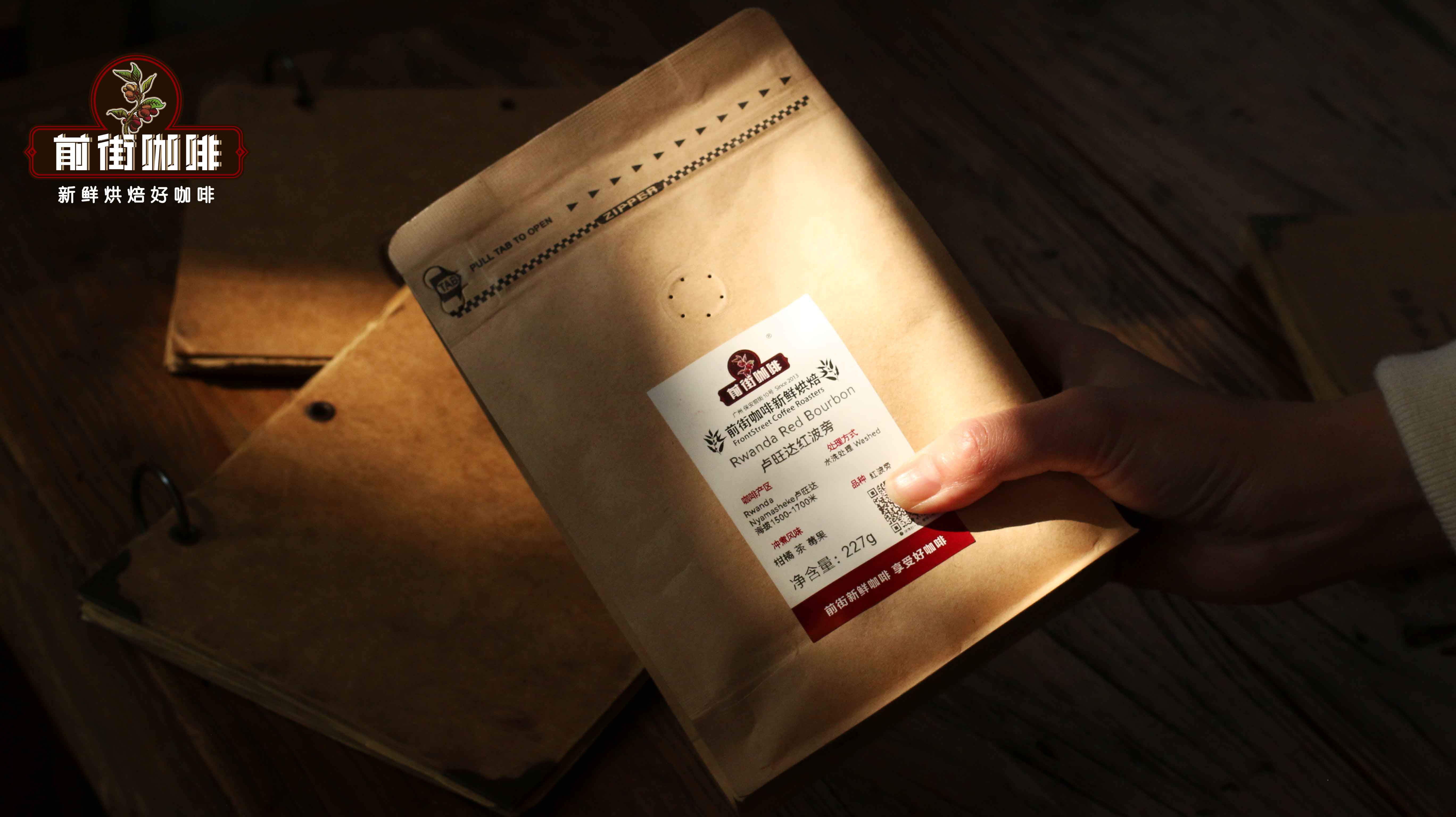
Rwanda Coffee Beans: Origin Story, Flavor Characteristics, and Starbucks Connection · Front Street Coffee Recommendation
Rwanda, an African landlocked country known as the "Land of a Thousand Hills," is steadily gaining attention among specialty coffee enthusiasts thanks to its stable Bourbon varieties and excellent washed processing techniques. From German missionaries introducing coffee, to the PEARL and SPREAD programs driving industry upgrades, and then to Starbucks' stunning debut of "Blue Bourbon," Rwandan coffee has traveled an extraordinary path. After comparing multiple producing regions, Front Street Coffee has selected and launched two coffee beans: Rwandan Washed Red Bourbon and Nyamamba. The former comes from the high-altitude Nyamasheke region, while the latter is produced by a thousand smallholder farmers in Rusizi. This article takes you through a comprehensive look at the development story, growing environment, producing region distribution, processing methods, and cupping flavors of Rwandan coffee, so you can experience the bright citrus acidity and caramel sweetness unique to African specialty coffee. [more…]